For anglers
Autumn Bream Fishing: Where to Find Them, Feed and Bait
2 min read
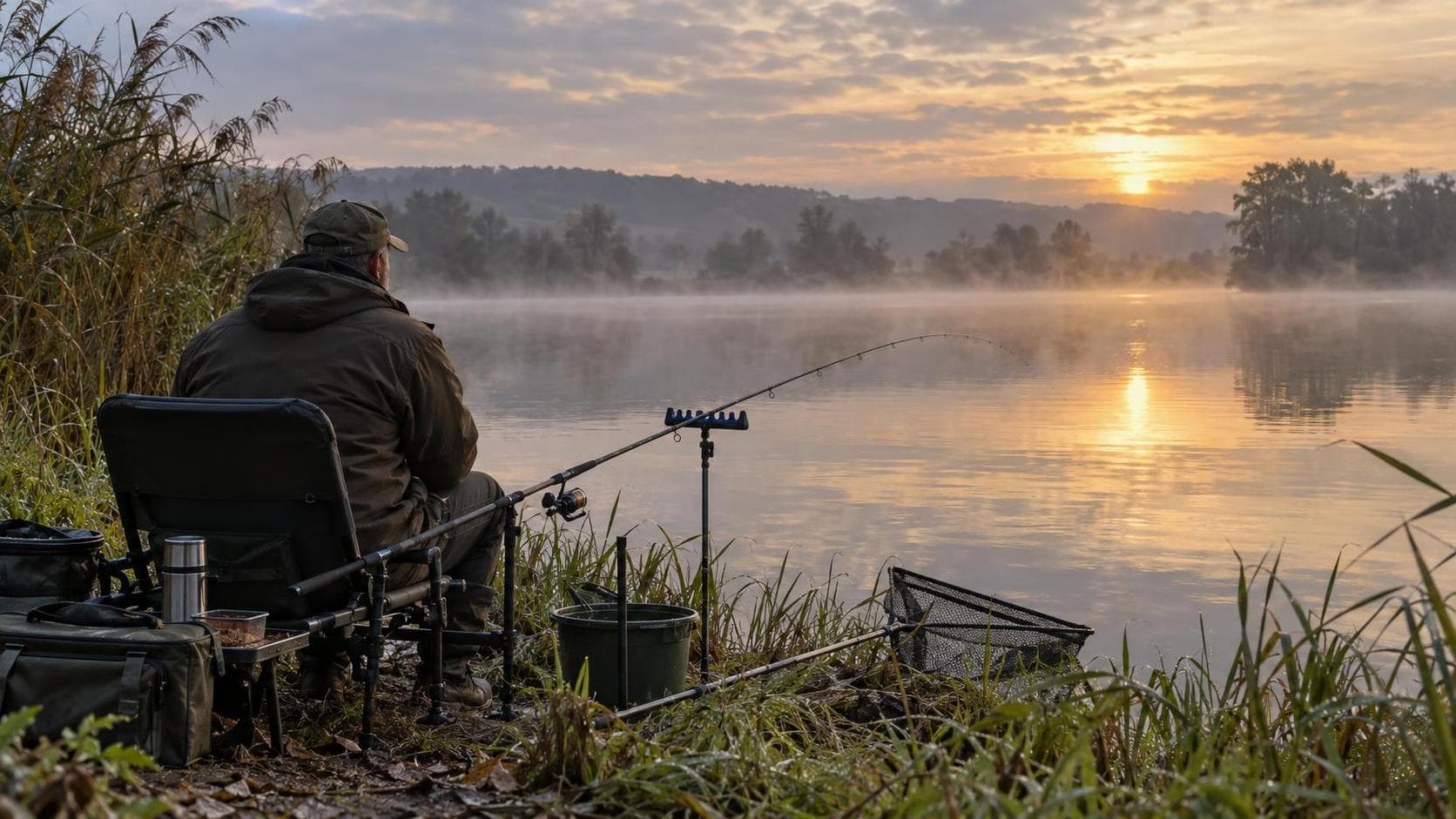
Bream do not vanish in autumn; they change route. A summer shallow may be empty while the shoal holds along a lower shelf, channel table or quiet patch of firm bottom. A productive session starts with plumbing, not extra flavour: one repeatable spot, restrained feed and a deliberate rhythm.
Where to look after cooling
Check bay exits, channel edges, gentle drops and transitions from silt to clay or shell. The deepest hole is not automatically best; a level table or slope foot can be the shoal’s route. Make several casts with a lead, compare drop time and feel the bottom on the retrieve. Clip up only when the feature repeats.
Choose the feeding window
In settled weather bream often feed in short spells. Dawn may work on a reservoir, later hours on sheltered water. Note each touch, water temperature, wind and current. If 60–90 minutes produce neither bream nor small fish, test the reserve distance instead of piling feed into an empty swim.
Groundbait and hookbait
Use a dark, moderately nutritious mix that reaches bottom before opening. Start with a few compact feeder loads, then maintain the spot with small portions. A little bloodworm, maggot or chopped worm can outperform strong sweet flavour. Try one or two larvae, a small piece of worm or a combination on the hook. Change one variable at a time.
Rhythm and bite reading
Recast more often at first. Once fish arrive in cold water, longer waits may work better. A steady tip pull, taps or sudden slack line can all be bites. Recover slack and lift firmly but briefly, then repeat the same range and far-bank marker.
A session plan
Prepare a main and reserve line, two contrasting hookbaits and modest feed. Record each change and result every 30 minutes. Retrieve discarded line and packaging and follow the fishery rules.
Choose your peg before travelling. At fisheries using Pegly, anglers can view the peg map, sessions, prices and rules and book online.