For anglers
Autumn Zander Fishing: Where to Look and How to Retrieve
3 min read
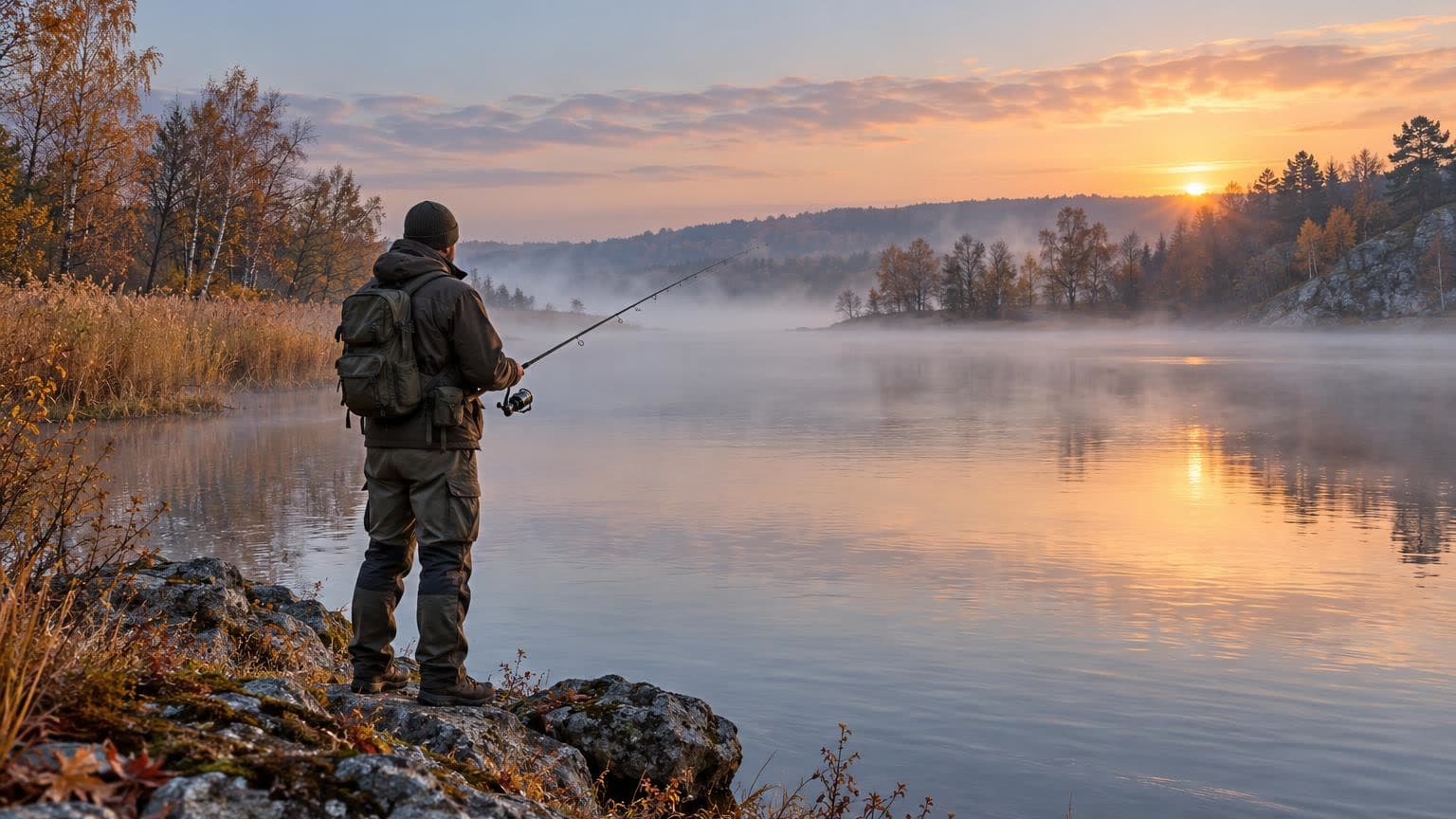
Autumn zander do not spend the whole day in the deepest hole. They follow slim baitfish, visit hard-bottom breaks and feed in short bursts. Success therefore starts with a search route and reliable bottom contact, not a supposedly magic lure colour.
What changes in autumn
Early in the season, zander still visit shallow bars, bay entrances and the tops of drop-offs. As water cools, prey forms tighter groups and predators use channel edges, exits from deep water, rock and shell beds more often. “Colder means deeper” is only a starting idea: prey may rise on a calm sunny day and zander can follow.
Where to search
- A hard step beside deep water: cover the top, face and foot.
- Points and bars: favour shallow ground falling quickly into three to six metres.
- Small features: one rock pile, snag or shell patch can beat a broad featureless hole.
- Current seams: check shelter behind structure and the edge of the main flow.
From the bank, fan-cast and count the lure down. From a boat, map the shape before chasing every sonar mark.
Jig weight and lure
The rod should transmit bottom contact. Thin braid improves feedback and an abrasion-resistant leader protects around stone. Choose enough weight for the lure to fall roughly one to three seconds after a turn of the reel. Wind, current and depth require more, but surplus weight removes the useful pause.
Start with a narrow 7–10 cm shad or soft jerkbait in a natural colour. A practical retrieve is one or two reel turns, a controlled fall and a short pause. If fish tap without hooking up, downsize, lengthen the pause or use a lower hop. In cold water, a slow presentation near the bottom often beats sharp lifts.
Reading the bite
A zander may hit hard, pin the lure or simply stop it early. Keep light control of the line during the fall. When the rhythm changes, recover slack and strike briefly but firmly. Repeat the same angle after contact: fish often stand together, although the feeding spell may last only minutes.
Timing, safety and a plan
Dawn and dusk are dependable starting windows, while cloud may move activity into the day. Wear grippy footwear on wet stone and a life jacket in a boat. Check local closed areas, seasons and minimum sizes.
- Start on a bar or upper break next to depth.
- Fan-cast a natural lure.
- With no response, change angle and depth before colour.
- Answer short taps with a smaller lure or longer pause.
- Record depth, bottom type and bite time.
Planning an autumn session? Browse fishing waters on Pegly and check available pegs before travelling.